Examples & Use Cases
Example 1: Convert JPG Photos for Websites
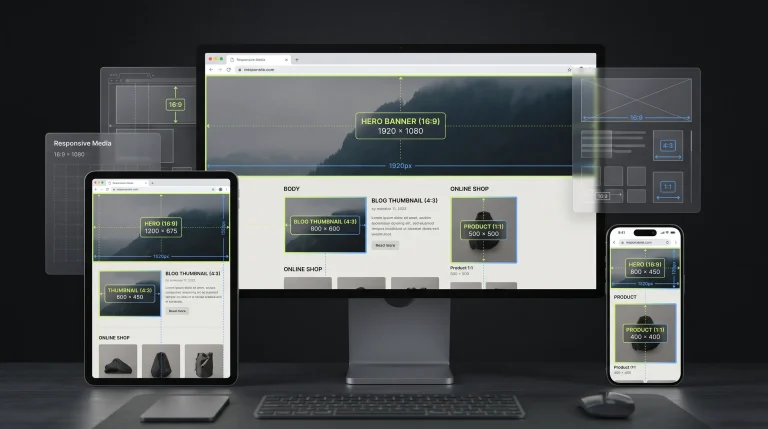
Convert JPG photographs to WebP before adding them to website pages. Depending on the image and encoding settings, the resulting file may be smaller and require less data to download.
Example 2: Optimize Blog Images
Bloggers can convert article images to WebP to help reduce the total size of image assets across their posts. Review the output quality before publishing.
Example 3: Convert Ecommerce Product Photos
Online store owners can convert product photographs to WebP for product pages, category listings, and promotional sections. Check details such as colors, textures, and product edges after conversion.
Example 4: Prepare Images for Landing Pages
Marketing teams can convert JPG graphics and photographs used on landing pages to WebP. Smaller image files may contribute to a lighter page when the converted files are more efficient than the originals.
Example 5: Support Website Performance Optimization
Web developers can use WebP images as part of an image optimization workflow. Combine appropriate compression with responsive image sizes, caching, and efficient delivery for better overall performance.
Example 6: Convert JPEG Images for Content Management Systems
If your content management system and publishing workflow support WebP, converting JPG images before upload can help standardize image assets for web use. Confirm that your platform, theme, and plugins support the converted format.
JPG to WebP Conversion Tips
JPG and JPEG are different filename extensions for the same widely used image format.
WebP can support both lossy and lossless compression, but the output depends on the conversion method and settings.
Keep the original JPG if you may need to edit or reconvert the image later.
Compare the converted file's visual quality and file size before publishing.
Conversion alone does not change image dimensions unless the tool also resizes the image.
Check whether your website platform supports WebP uploads and delivery.
Use descriptive filenames and appropriate alternative text when adding images to a website.
Do not assume every converted WebP file will be smaller than its JPG source.
Who Can Use This Tool?
Website owners optimizing image assets.
Bloggers and online publishers.
Ecommerce store owners managing product photography.
Web developers preparing modern image formats.
Digital marketers creating landing pages and campaign assets.
Content creators who need WebP versions of JPG images.