Estimate Generator

Create professional cost estimates online for clients and customers. Add products or services, quantities, rates, and business details to calculate an estimated project cost before work begins.

AD TOP

Estimate Generator

Loading interactive tool...

AD MIDDLE

What is the Estimate Generator?

An estimate generator is an online tool that helps freelancers, contractors, service providers, and small businesses prepare cost estimates for potential projects or purchases. It organizes expected expenses into a clear format so customers can understand the anticipated cost before deciding how to proceed.

Instead of calculating project costs manually, you can use an estimate generator to enter customer details, list products or services, add quantities and prices, and review the estimated total. A well-prepared estimate helps set expectations, supports budgeting, and reduces confusion about the expected scope and cost of a project.

Estimate generators can be useful for web developers, designers, construction contractors, home repair professionals, consultants, cleaning businesses, and other service providers who need to communicate projected costs to customers.

An estimate is generally an approximation based on the information available at the time. The final cost may change if the project scope, material prices, quantities, or requirements change. Clearly explain assumptions, exclusions, and potential additional charges before sharing an estimate with a customer.
How to Use the Estimate Generator

How To Use Guide
1. Enter your business details. Add your business name and the contact information you want to include.
2. Add customer information. Enter the customer's name, company name if applicable, and relevant billing or contact details.
3. Create an estimate number. Use a unique reference number to organize and track estimates.
4. Set the estimate date. Include the date the estimate was prepared and an expiration date if applicable.
5. List products or services. Describe each item, enter the quantity, and add the estimated rate or price.
6. Calculate the estimated cost. Review the subtotal, any applicable discounts or taxes, and the estimated total using the fields supported by the tool.
7. Explain assumptions and exclusions. Clarify what the estimate includes, what it excludes, and which factors could affect the final cost.
8. Review and share the estimate. Check all details before using the available print, download, or sharing options, if supported.
Only retain steps that correspond to features implemented in your actual tool interface.

Examples & Use Cases

Examples & Use Cases
Example 1: Website development estimate

A freelance developer prepares an estimate for a small business planning to launch a new website.
Service Quantity Estimated rate Amount
Website design and development 1 $1,200 $1,200
Contact form setup 1 $150 $150
Estimated total $1,350
This is an illustrative example, not a recommended market price. The estimate should clarify the proposed scope, deliverables, and any exclusions.

Example 2: Home repair project

A contractor estimates the cost of repairing a room by listing expected labor, materials, and other applicable expenses. Itemizing these costs helps the customer understand the projected budget.

Example 3: Graphic design services

A designer estimates the cost of producing eight graphics at an estimated rate of $35 per graphic.
- Quantity: 8 graphics
- Estimated rate: $35 per graphic
- Estimated total: $280
The final amount may change if the customer requests additional work outside the original scope.

Example 4: Consulting project

A consultant expects to spend 12 hours on a project at an estimated rate of $75 per hour.
- Estimated hours: 12
- Hourly rate: $75
- Estimated labor cost: $900
Additional expenses, taxes, or changes to the project scope should be addressed separately when applicable.

Best practices for preparing estimates
- Define the scope of work as clearly as possible.
- Break down major expenses into understandable line items.
- State the assumptions used to calculate the estimated cost.
- Identify materials, delivery, or additional services that are not included.
- Include an expiration date when pricing may change.
- Explain that unexpected work or changes in requirements may affect the final cost.
- Review calculations and applicable tax requirements.
- Keep a copy of the estimate and any subsequent revisions.

Frequently Asked Questions

What is an estimate generator?

An estimate generator is an online tool that helps businesses and professionals prepare projected costs by entering customer information, products or services, quantities, prices, and other relevant details.

What is a cost estimate used for?

A cost estimate helps customers understand the expected price of a project, service, or purchase before proceeding. It can support budgeting, project planning, and discussions about scope and pricing.

What is the difference between an estimate and a quote?

An estimate generally provides an approximate expected cost, while a quote typically presents proposed pricing for a defined scope of work. Their practical and legal meanings can vary by industry and jurisdiction, so businesses should explain their terms clearly.

What information should an estimate include?

A cost estimate commonly includes business and customer details, an estimate number, date, itemized products or services, quantities, projected prices, estimated total, assumptions, exclusions, and any relevant terms.

Can freelancers use an estimate generator?

Yes. Freelancers can prepare estimates for website development, graphic design, writing, consulting, marketing, and other professional services to communicate expected project costs to potential clients.

Can an estimate change after a project starts?

Yes. The final cost may differ if the scope changes, unexpected work is required, material prices change, or the original assumptions prove inaccurate. Communicate revisions clearly and obtain any required customer approval.

Should I include labor and materials in a cost estimate?

Include labor and materials when they are relevant to the project and supported by the estimate format. Showing these expenses separately can help customers understand how the projected total was calculated.

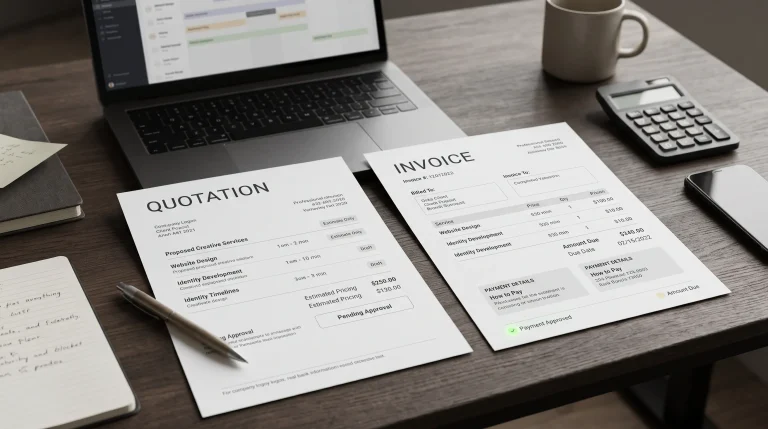
Is an estimate the same as an invoice?

No. An estimate communicates anticipated costs before work or a purchase proceeds. An invoice generally requests payment for goods or services supplied or billed under an agreement.

Should I include sales tax in a US project estimate?

Whether sales tax applies depends on the transaction, location, product or service, and the business's tax obligations. Check the relevant state and local rules before including tax in an estimate.

How long should a cost estimate remain valid?

The validity period depends on the business, project, and likelihood of price changes. If costs or availability may change, include a clear expiration date and explain what happens after it expires.

Can an estimate be used for construction or home repairs?

Yes. Contractors and repair professionals can use estimates to organize expected labor, materials, equipment, and other project expenses. More complex projects may require detailed specifications and additional documentation.

Can I download or print an estimate created with this tool?

Downloading or printing depends on the features supported by the estimate generator. Use the options available in the tool, and do not assume PDF export or automatic saving is available unless those features have been implemented.

AD BOTTOM

Latest Articles